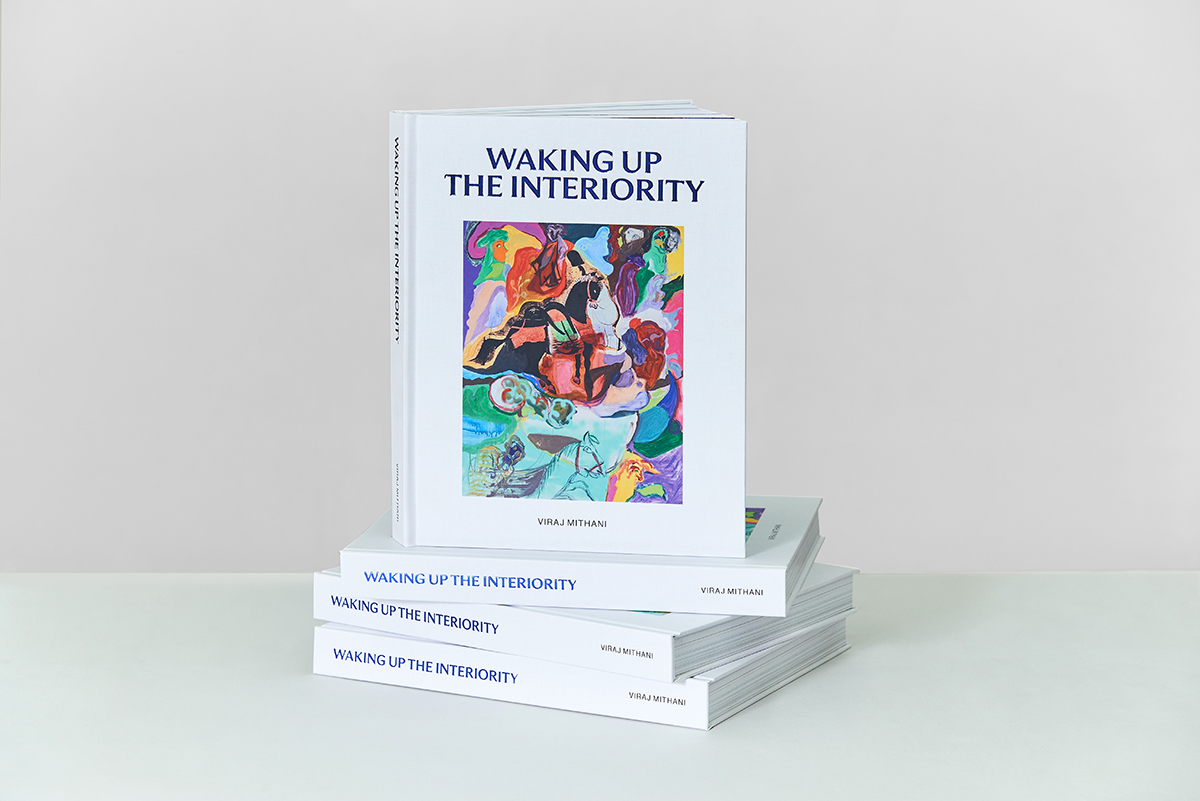
The book asks fundamental questions about what it truly means to be an artist and to sustain a studio practice—particularly in India, where such understanding remains limited. It positions itself as an educational resource. I often find myself wondering about the artists I admire—what were they like in their twenties and thirties? What were they thinking, making and experiencing? For most artists, there is little to no record of their formative years. This book attempts to fill that gap. In an era driven by Instagram and hype, it reasserts the rigor, depth, and seriousness that art demands.
It traces over a decade of my artistic practice defined not by a singular style, but by continual evolution and exploration. By bringing together multiple generations of artists, critics, and professionals into a shared space, the book challenges hierarchies within the art world and fosters critical engagement. Responding to the expanded role of the 21st-century artist, it moves beyond the purely visual to cultivate critical thinking. Ultimately, it is an accumulation of ideas, meaningful conversations, lived experiences, and dialogues—connecting past, present, and future.

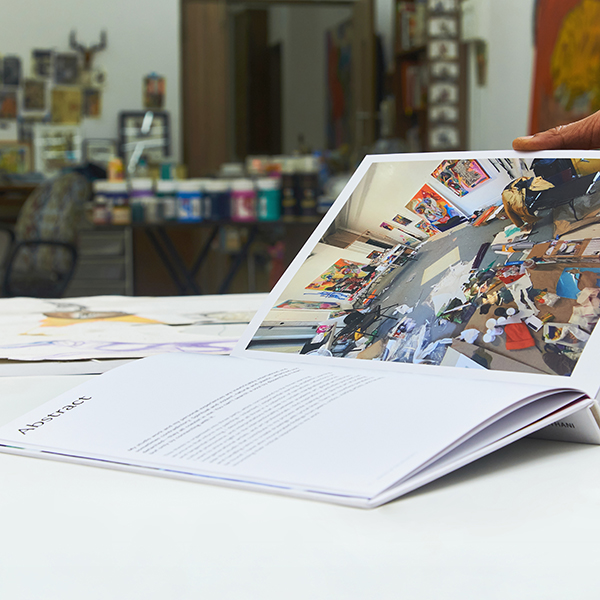
It is organized into three color-coded sections:
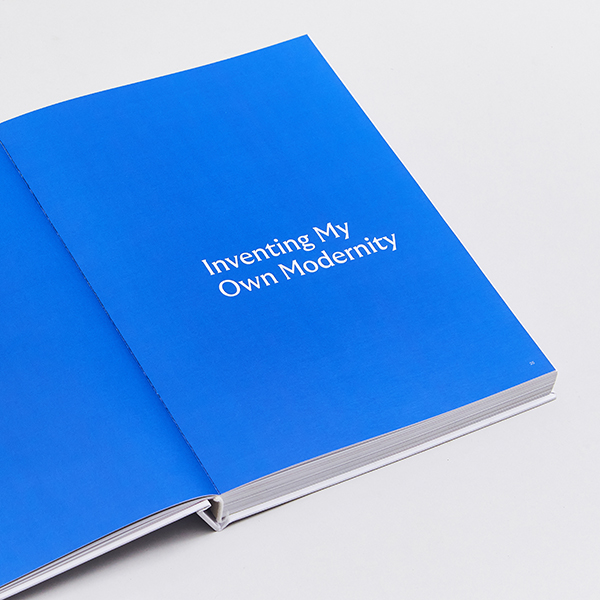
Creating My Own Modernity (Blue) centers on the thesis and ideas that shape my work.


Institutional Engagement (Red) brings together critique poems, critical essays, dialogues from studio visits and artist spaces and visual contributions from twenty-two world renowned artists and writers.
Obsession and Aspirations (Green) explores my journey as an equestrian and kendoka, tracing how pursuits beyond the studio enlightens and moulds artistic practice.
Edition 1 : 700
Issues published
Hardcover
Available Format
289
Total Pages
4.5 – 10h
Estimated reading time
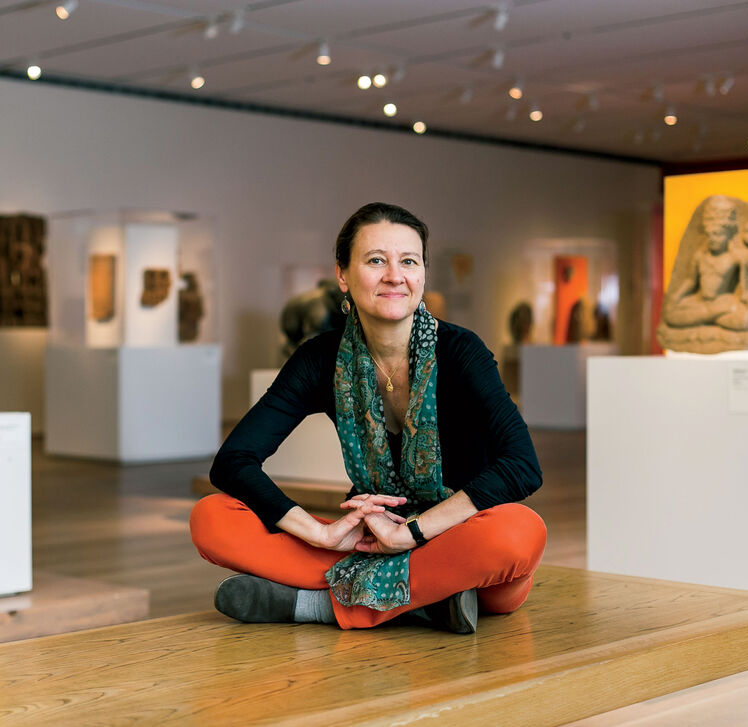
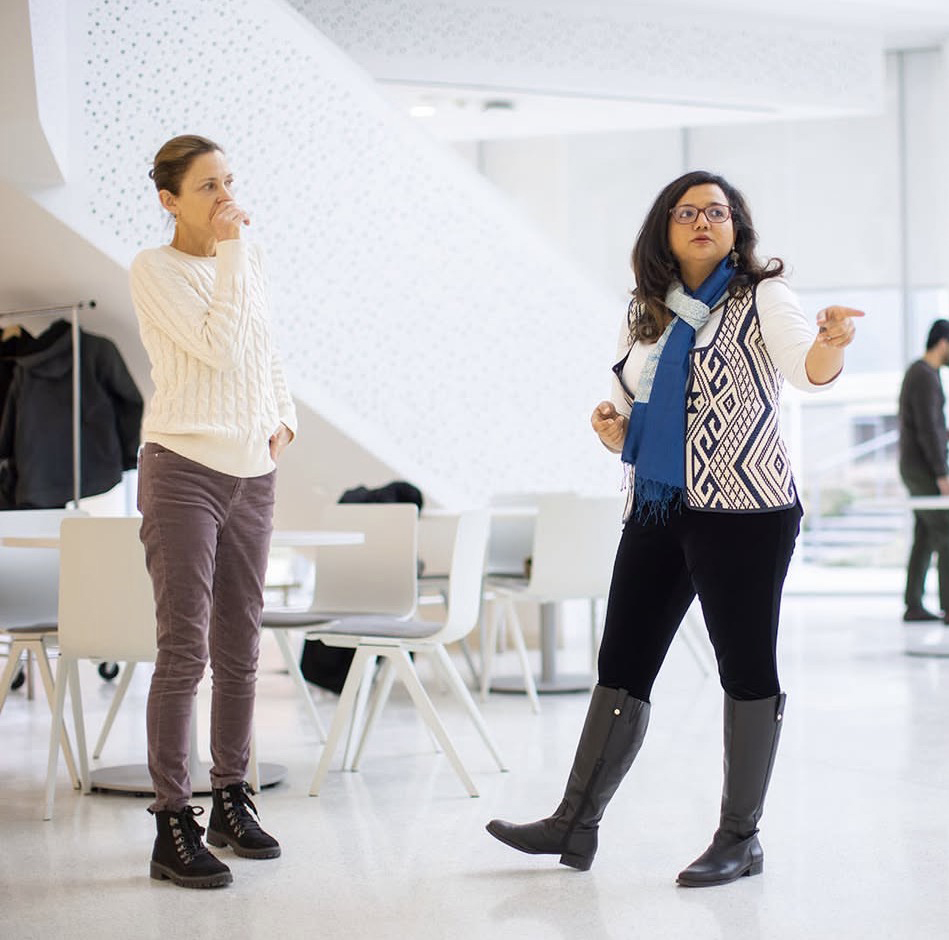
David Raskin, Nora Taylor, and Nainvi Vora each contribute essays that engage distinct dimensions of my practice. David Raskin reflects on my early years at the School of the Art Institute of Chicago and the formative role of the Art Institute of Chicago in shaping my understanding of art and the museum as a site of learning. Nora Taylor traces the arc of my studio practice from Chicago back to Mumbai over more than a decade, framing it through the question: Which country is in your studio, and which studio is in your country? Nainvi Vora contributes a critical essay, The Murky Entanglements in the Creation of an Alternative Modernity, which expands upon the book’s central thesis—Creating My Own Modernity—through rigorous research and scholarly inquiry.

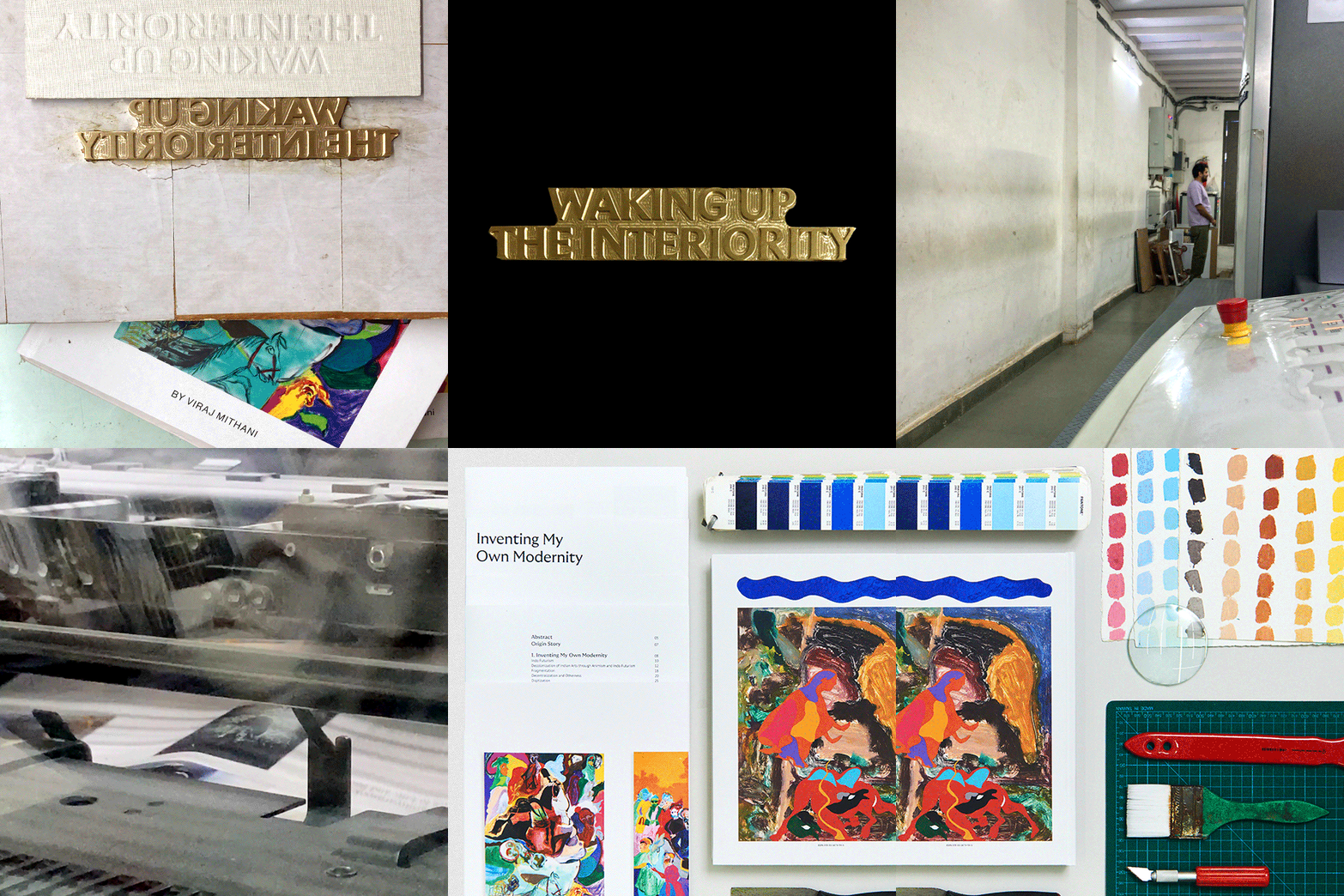
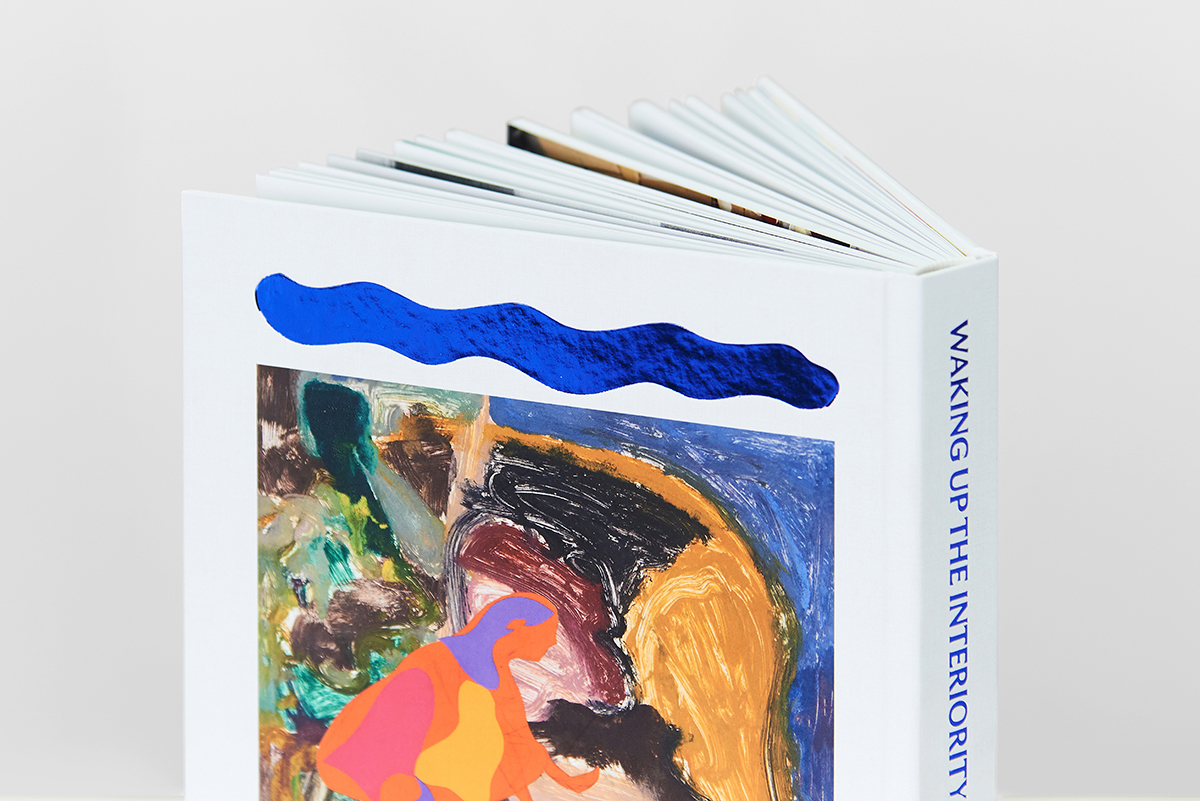
Published in Mumbai, India and designed by Kunal Anand, the book reflects a global design perspective rooted in local context. It is printed on Indian-made 170gsm matte art paper, supporting regional industries. This material choice acknowledges the culturally rich yet complex present state of India’s paper and textile production landscape.
“It’s such a bold project—to share your own art education while knowing it represents something much larger than yourself. I can imagine it being as meaningful to faculty as it is to students. It becomes a portrait of how collective teaching accumulates over an artist’s lifetime—and, of course, a portrait of you, someone who knew how to absorb so much and still teach yourself.”